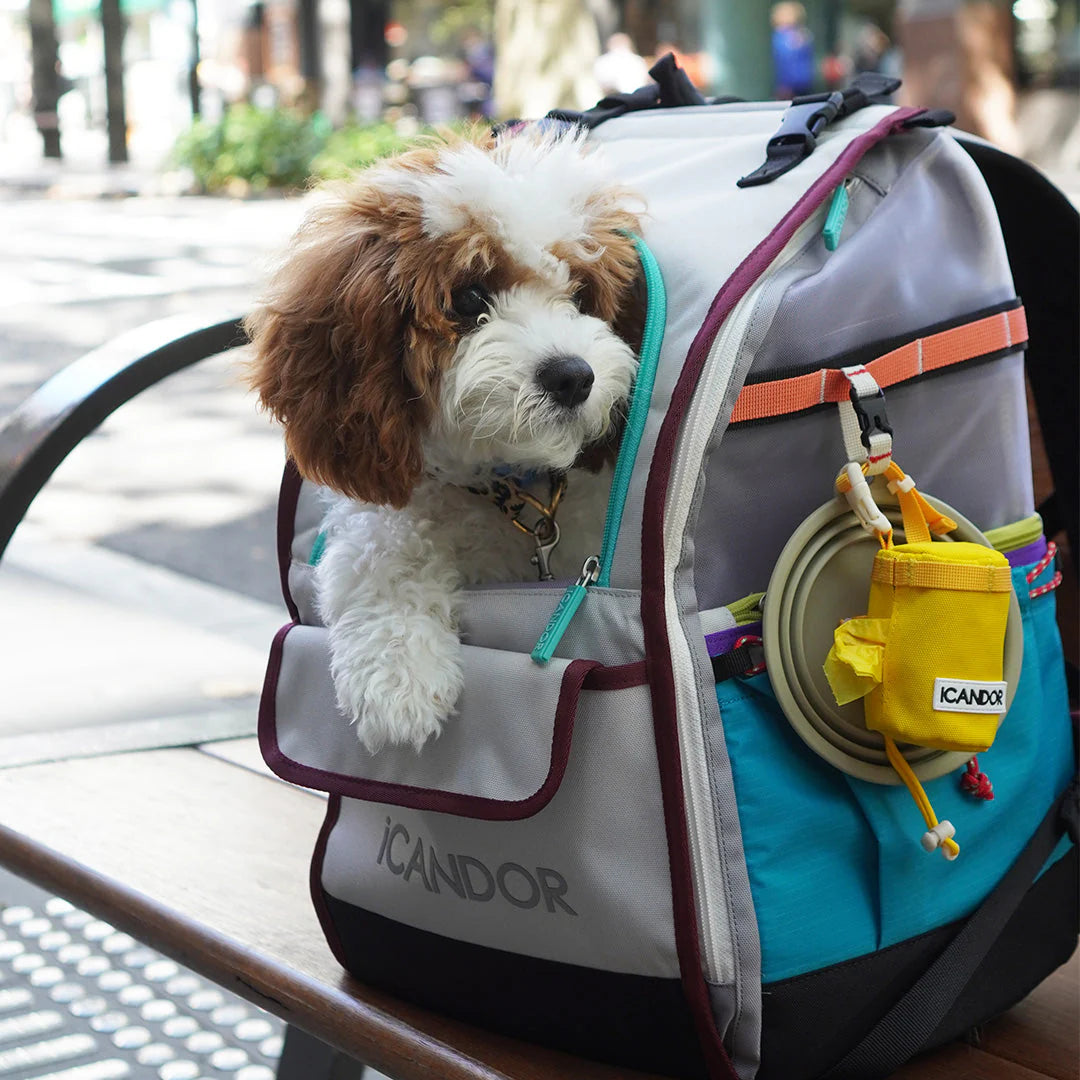
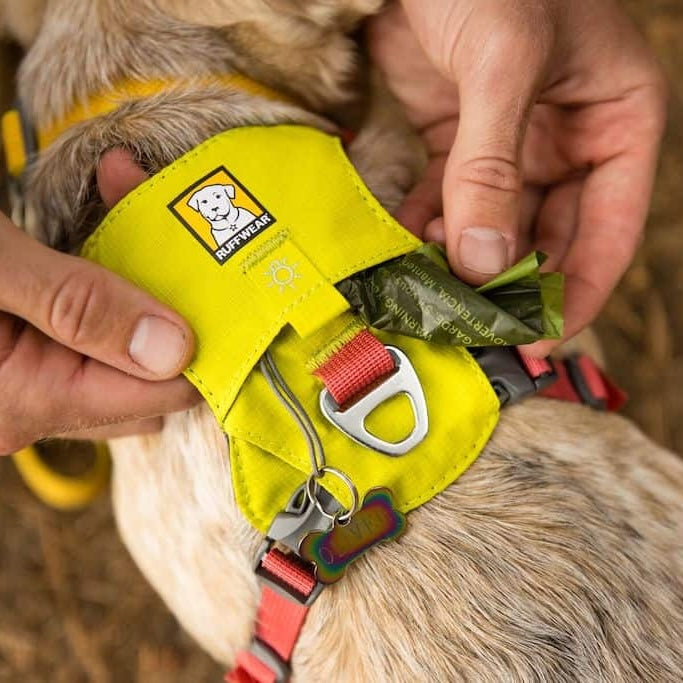



Small paws. Big city. A little protection when it matters.
Your dog may happily walk barefoot, but a route through sun-exposed pavements, gritty paths and rain-soaked grass asks more of their paws than a cool, shaded stroll.
Does your dog really need shoes in Singapore? Sometimes. Well-fitted dog shoes or boots can help protect paws from hot surfaces and abrasion, and may reduce direct paw contact with grass for dogs with contact-related irritation. Healthy dogs walking comfortably on cool, gentle ground may not need them. Choose based on your dog’s paws, the route and the conditions that day.
When are dog shoes worth considering?
Your route is abrasive
Long stretches of rough concrete, gravel or uneven ground may justify a protective sole, especially if your dog’s pads are sensitive.
You need extra paw coverage
Footwear can add a physical layer between paws and the ground. Change the route or timing if surfaces are dangerously hot, sharp or contaminated.
Your dog accepts a good fit
A useful shoe stays secure without squeezing, rubbing or changing your dog’s movement. Comfort matters as much as coverage.
Grass leaves your dog’s paws itchy
If your vet identifies contact-related irritation, shoes may help reduce direct paw contact with grass. They do not treat grass or pollen allergies, and your dog’s belly and other exposed skin can still be affected.
You want extra coverage around ants
A covered paw has less exposed skin, but dog shoes are not insect-proof. Ants may enter around openings or reach other body parts. Avoid ant trails and nests rather than relying on footwear to prevent bites.
Cool, shaded walks are comfortable
If the ground is gentle and your dog has healthy pads, barefoot walking plus a simple paw check may be enough.
Protect the whole dog, too. Shoes do not prevent heatstroke, and paw balm does not make burning pavement safe. Choose cooler hours, shade, water and a shorter walk when needed.
Why Singapore walks can be hard on paws
Singapore has high temperatures, high humidity and abundant rainfall throughout the year. For dog owners, that means planning for both sun-exposed surfaces and damp walks—not just the temperature shown on a weather app.
Hot pavements and exposed paths
An HDB neighbourhood walk or park connector outing can include sunny concrete and road crossings. Check the actual ground before stepping out. If it feels too hot to touch comfortably, avoid it and choose shade, cooler ground or another time.
A hand check is a quick screening tool, not a guarantee that the entire route is safe. Recheck when the surface or sun exposure changes.
Rain, puddles and damp grass
A sudden shower can leave paws, socks and shoe interiors wet. Remove footwear after the walk, clean as needed and dry carefully between the toes. Weather-resistant footwear is not necessarily waterproof.
Rough paths and urban debris
Gravel, coarse concrete and gritty edges can be uncomfortable over longer distances. Shoes can reduce direct abrasion, but avoid broken glass, sharp litter and construction debris even when your dog is wearing boots.
Sand and wet surfaces
For dog-permitted beach areas, check sand temperature and rinse away sand and salt afterwards. On wet tiles and drain covers, slow down: an outsole cannot guarantee grip on every slippery surface.
Grass allergies and contact irritation
Some dogs develop itchy paws after time on grass. Grass pollen, substances on the lawn and other causes of irritation can be involved, so redness or licking alone does not confirm a grass allergy.
Well-fitted shoes may reduce direct contact at the paws as part of your vet’s management plan. This is a practical barrier approach, not a proven treatment or a complete allergen shield. Choose routes with less grass contact and clean and dry paws after outings.
Ant bites around grassy verges
Keep an eye on grass edges, tree bases and places where your dog stops to sniff. Shoes cover some vulnerable paw skin, but Ruffwear footwear is not designed or tested as ant-bite protection. Avoid visible ants and nests, and check footwear before and after use.
If your dog suddenly lifts a paw, limps or bites at their feet, move away and inspect their paws and shoes. Facial swelling, breathing difficulty or collapse after a bite or sting needs emergency veterinary care.
Local outing tip: check NParks’ rules for the destination. Dogs are not permitted in every park area, nature park or nature reserve.
Dog shoes vs boots vs socks: what is the difference?
“Dog shoes” and “dog boots” are often overlapping product names. Compare the sole, upper, closure and fit rather than assuming that boots are always thicker, hotter or more protective.
Shoes and boots: ground protection
A purpose-built outsole adds a physical barrier against the walking surface. Some models prioritise flexibility and breathability; others have a more substantial sole or a weather-resistant upper.
Socks: comfort inside footwear
Ruffwear Bark’n Boot socks are liners designed to improve boot fit and comfort. They do not have a protective outdoor sole and should not replace shoes on hot pavement or rough ground.
Which Ruffwear dog shoes or boots suit Singapore?
Start with your usual route and your dog’s tolerance for footwear. The suggestions below apply Ruffwear’s product features to common Singapore walks; there is no single best model for every dog.
Swipe or scroll to compare Ruffwear shoes, boots and socks. Check colours, sizes and availability on each product page.

Summit Trex
Weather-resistant upper; non-marking rubber outsole.
Consider for: Everyday pavement and park walks with occasional damp or gritty stretches.
Keep in mind: Water resistance does not mean waterproof. Check for dampness inside.
View product
Hi & Light Trail Shoes
Lightweight, flexible design with a breathable upper and rubber sole.
Consider for: Dogs whose owners prioritise flexibility for walks and trail outings.
Keep in mind: Breathable construction does not keep water out.
View product
Grip Trex
Breathable mesh upper; rugged Vibram outsole.
Consider for: Longer outings on mixed, rough or abrasive terrain.
Keep in mind: Check your dog moves comfortably with the more substantial outsole.
View product
Ridgeline Shoes
Articulated shape and breathable engineered-knit upper.
Consider for: A close-fitting technical shoe for abrasive surfaces and natural paw movement.
Keep in mind: Fit still needs checking in motion; no shoe suits every paw shape.
View product
Bark’n Boot Socks
Shaped, moisture-wicking, quick-drying boot liners.
Consider for: Extra comfort inside compatible boots, including around dewclaws.
Keep in mind: Not outdoor shoes. Remove and dry if damp; liners cannot fix incorrect boot sizing.
View productFor a first everyday pair, compare Summit Trex with Hi & Light according to whether weather resistance or a breathable, flexible upper matters more. For more demanding ground, look at Grip Trex or Ridgeline.
How to size dog shoes and help your dog adjust
Measure all four paws while your dog is standing and bearing weight. Use the widest part of each paw and follow the specific product’s size chart. Front paws may be wider than back paws, so choosing by breed or body weight alone is unreliable.
Ruffwear shoes and boots are sold in pairs, allowing different sizes for front and rear paws. Check the pack quantity when ordering coverage for all four paws.
- Let your dog sniff the footwear and reward calm interest.
- Practise putting it on briefly indoors, with treats and no pressure.
- Check that toes sit properly and closures are secure without pinching.
- Try a short walk on cool, familiar ground before a longer outing.
- Recheck fit after the first few minutes and during the walk. Look for twisting, slipping, rubbing or a changed gait.
If your dog freezes, repeatedly tries to remove the shoes or moves uncomfortably, stop and reassess. Sock liners may improve comfort, but they should not be used to compensate for an oversized boot.
Check, plan and protect
1. Check the paws
Look at the pads, nails and between the toes for grit, redness, cuts or tender areas. Limping or a sore paw needs attention before another walk.
2. Check the route
Choose cooler hours and shaded paths. Carry drinking water and keep the outing appropriate for your dog’s age, health and heat tolerance.
3. Use footwear when useful
Put shoes onto clean, dry paws. Check fit and keep the first outing short. Plan to remove them at home rather than leave them on unnecessarily.
4. Apply a suitable balm if needed
Natural Dog Company PawTection is a pre-outing barrier balm. Follow its label and use a thin layer. Do not assume balm is needed beneath boots; avoid excess that could affect fit or traction.
Remove, clean, dry and check
Even if your dog wore shoes, check the paws afterwards. Moisture or grit may still enter footwear, and a closure can rub if the fit changes during movement.
- Remove shoes and socks. Check the interiors for grit, dampness and wear.
- Clean according to the mess. A pet paw wipe may suit light surface dirt. Rinse away mud, sand or salt with clean water; gentle cleaning may also help remove surface residues after grass contact. Rinse as needed, or use a pet-specific paw cleanser as directed.
- Dry thoroughly. Gently towel-dry the pads and spaces between the toes before applying balm or putting footwear back on.
- Inspect again. Watch for redness, swelling, abrasions, tenderness or repeated licking.
- Moisturise if needed. Apply a suitable paw balm to clean, dry pads according to its label. Healthy, comfortable paws do not automatically need balm after every walk.
When a paw-care routine is not enough: persistent licking, limping, bleeding, swelling, blisters or an unusual smell warrant veterinary advice. Suspected burns and significant injuries need prompt care; wipes and balm do not treat the underlying problem.
Clean footwear according to the model’s care instructions and let shoes and liners dry fully before the next use. Keeping a small towel by the door makes this routine easier to maintain.
Paw wipes, paw cleanser or dog paw balm?
These products do different jobs. Choose what your dog needs rather than layering everything after every outing.
Swipe or scroll to explore the paw-care products. Check sizes, instructions and availability on each product page.

Natural Dog Company Paw Wipes
A convenient option for wiping paws after a relatively clean outing or before getting into the car. Use gently around the pads and toes, following the label.
For muddy paws or trapped sand, rinsing can be more practical than repeatedly wiping.
View product
Pet-specific paw cleanser
Beyond Clean LUXE Rinse-Free Paw Cleanser is an option for a label-directed cleaning routine. Follow the product’s instructions and clean its applicator after use.
Use gentle pressure and dry the paws afterwards. Ordinary human wipes, surface disinfectants and harsh household cleaners are unsuitable substitutes.
View product
Natural Dog Company PawTection
A wax-based balm intended to add a protective barrier and help condition paw pads before outdoor exposure. Apply as directed.
It does not provide the sole of a shoe or a reliable thermal shield. Avoid hot pavement regardless of balm use.
View product
Natural Dog Company Paw Soother
A moisturising balm for dry, rough paw pads. It fits naturally into a clean-and-dry routine or a quiet bedtime application.
Use as directed and seek veterinary advice for painful, bleeding or persistently damaged pads.
View product
kin+kind Nose & Paw Moisturiser
An alternative conditioning option for dry noses and paw pads. Its formula includes moisturising oils, shea butter and waxes.
Apply gently to clean, dry skin according to the label. Choose this or another suitable moisturiser; multiple balms are not necessary for a simple routine.
View productMatch the care to the walk
Dry neighbourhood stroll: inspect, wipe if dirty, dry and check.
Rainy park walk: remove footwear, rinse or cleanse as needed, dry between toes and dry the gear.
Dry, rough pads: add a suitable moisturiser after cleaning; investigate ongoing soreness.
Dog shoes and paw care in Singapore: FAQs
Do all dogs need shoes in Singapore?
No. Healthy dogs on cool, smooth, shaded ground may walk comfortably barefoot. Shoes are worth considering for abrasive routes or when your dog needs extra paw coverage and accepts a comfortable fit.
Can dog shoes prevent burns from hot pavement?
A protective outsole can reduce direct contact with the surface, but do not rely on shoes to make dangerously hot ground safe. Change the route or walk later. Footwear also does not prevent heatstroke.
Are Ruffwear dog boots waterproof?
Check the specific model. Summit Trex has a weather-resistant upper; that does not mean a waterproof seal. Breathable models can let water in. Remove footwear and check for dampness after wet walks.
Can my dog wear Bark’n Boot socks outside without shoes?
These socks are boot liners, not outdoor protective footwear. They lack the outsole needed for hot pavement and rough ground. Use them with appropriately fitted shoes or boots.
Should I buy the same size for front and back paws?
Measure every paw first. Many dogs have wider front paws and need a different size at the rear. Ruffwear boots and shoes are sold in pairs to accommodate this.
Are paw wipes enough after every walk?
They can suit light dirt. Mud, salt or sand may need rinsing or a suitable paw cleanser. Whatever you use, follow the label, clean gently and dry between the toes.
What is the difference between PawTection and Paw Soother?
PawTection is intended as pre-outing barrier care. Paw Soother focuses on moisturising dry, rough pads and can be used after cleaning and drying. Neither replaces appropriate treatment for injured paws.
Does my dog need paw balm every day?
Not necessarily. Use it according to your dog’s pad condition and the product instructions. Persistent dryness, cracking, licking or soreness should be checked rather than covered with more balm.
Can dog shoes help a dog with grass allergies?
They may reduce direct contact between the paws and grass, particularly when contact-related irritation is involved. This is a practical barrier measure, not an allergy treatment. Grass pollen and other allergens can still reach exposed skin, so ask your vet to identify the cause and advise on a management plan.
Can dog shoes prevent ant bites?
They cover some paw skin, but protection is not guaranteed. Ruffwear shoes are not insect-proof or tested for ant-bite prevention. Ants can enter openings or bite exposed areas, so avoid ant trails and nests and inspect paws and footwear after walks.
Why does my dog lick their paws after walks?
Possible reasons include trapped dirt, irritation, a foreign object or injury. Gently inspect and clean the paws. Repeated licking, redness, swelling or pain needs veterinary advice; shoes alone will not resolve the cause.
Protect the paws. Keep the walk comfortable.
Start with the ground, the weather and your dog’s comfort. Add well-fitted footwear when it helps, then keep after-walk care simple: clean what needs cleaning, dry thoroughly and check the paws.
CreatureLand is an authorised Ruffwear retailer in Singapore. Need help comparing models or sizes? Contact us before visiting; studio fittings are by appointment.



Leave a comment
This site is protected by hCaptcha and the hCaptcha Privacy Policy and Terms of Service apply.