




Indoor Cat Weight Gain: How to Tell if Your Cat Is Overweight (and What to Do About It)
Indoor cats are the norm in Singapore apartments and while that keeps them safe, it also increases the risk of weight gain and obesity. With limited space, high humidity, and easy access to food, many indoor cats slowly become overweight without owners noticing.
This guide covers how to tell if your indoor cat is overweight, the health risks, and practical weight management tips for Singapore homes.
Why Indoor Cats in Singapore Gain Weight Easily
 @photo of Otoro by CreatureLand
Living in Singapore comes with unique challenges for cats:
- Smaller living spaces (HDB/condos) → less room to run
- Hot & humid weather → cats are less active
- Free-feeding habits → constant calorie intake
- Indoor lifestyle → more sleeping, less stimulation
Over time, this creates a calorie surplus, even if your cat doesn’t seem to eat “that much.”
Health Risks of an Overweight Cat
Excess weight can lead to serious conditions:
- Diabetes (increasingly common in indoor cats)
- Joint stress and reduced mobility
- Heart and respiratory strain
- Liver disease (especially dangerous in cats)
In Singapore, where vet care can be costly, prevention is far more affordable than treatment.
How to Tell if Your Cat Is Overweight

 @photo by: DHgate
Even experienced owners can miss early weight gain especially with fluffy breeds.
1. The Rib Test
Run your fingers along your cat’s sides:
- ✅ You can feel ribs easily → healthy
- ❌ You need to press hard → likely overweight
2. Top View (Waist Check)
Look from above:
- Healthy cats have a slight waist behind the ribs
- Overweight cats look round or oval-shaped
3. Side View
- A healthy cat has a gentle abdominal tuck
- A sagging or bulging belly may indicate excess fat
⚠️ Don’t confuse this with the primordial pouch—a natural flap. Focus on overall body shape.
Subtle Signs Cat Owners Often Miss
 @photo by: IStock
- Less interest in play (especially in warm weather)
- Avoiding jumping onto furniture
- Sleeping more than usual
- Gets tired quickly during play
These signs often appear before visible weight gain.
Indoor Cat Weight Management Tips
You don’t need a big house, just the right routine.
1. Control Food Portions (Most Important)
 @photo by: iStock
Free-feeding is a major cause of obesity.
What works:
- Measure meals using a scoop or scale
- Feed 2–3 scheduled meals daily
- Follow vet-recommended portions
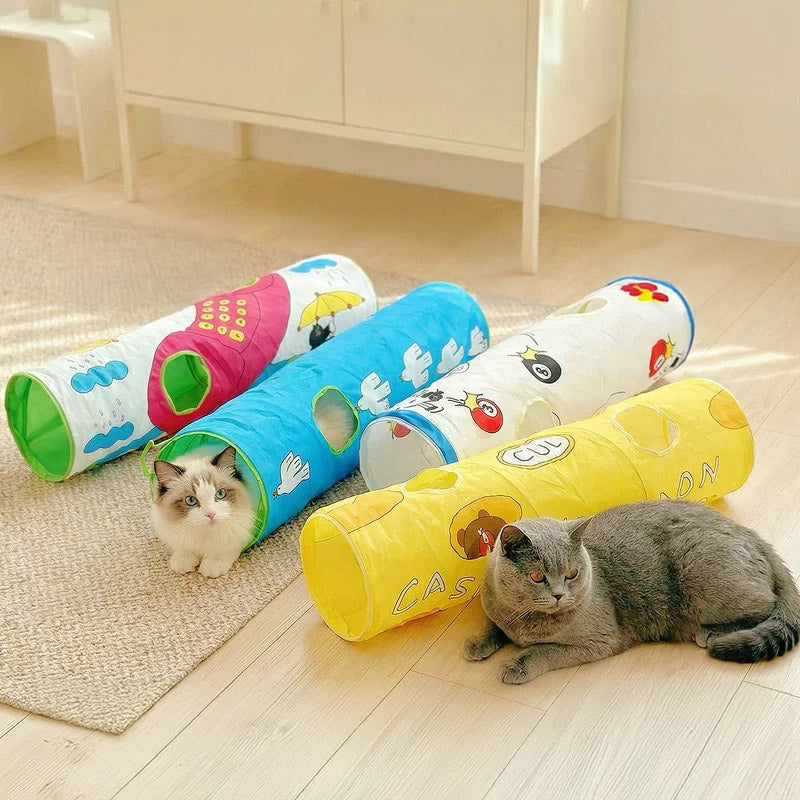
2. Create Short, Daily Play Sessions
 @photo by: iStock
In Singapore’s heat, long play sessions aren’t realistic.
Better approach:
- 10–15 minutes, twice daily
- Early morning or evening (cooler times)
- Use interactive toys to mimic hunting
Shop Cat Toys
3. Use Puzzle Feeders & Slow Feeders
 @photo by: PuzzleFeeder
Perfect for indoor cats in small spaces.
Benefits:
- Encourages movement
- Prevents overeating
- Adds mental stimulation
4. Maximise Vertical Space
 @photo by: Team Cats
Even small apartments can feel big to a cat.
Try:
- Cat trees
- Wall-mounted shelves
- Window perches
This encourages climbing = more calorie burn.
Shop Cat Furniture
5. Support Hydration & Diet
 @photo by: iStock
Singapore’s climate makes hydration important.
Tips:
- Provide fresh water daily
- Consider wet food (higher moisture)
- Choose high-protein, controlled-calorie diets
Final Thoughts: Keep Your Indoor Cat Healthy
Indoor life protects your cat, but it also means you control their activity and diet.
By spotting early signs of weight gain and building a simple routine, you can:
- Prevent serious health issues
- Improve your cat’s energy and mood
- Extend their lifespan
A healthy weight isn’t just about looks, it’s about giving your cat the best possible life in your home.

Written by Creatureland store




Leave a comment
This site is protected by hCaptcha and the hCaptcha Privacy Policy and Terms of Service apply.