
7 Indoor Activities to Keep Your Dog Mentally Stimulated During Singapore’s Haze
Image source: The Straits Times.
Keep your dog mentally engaged indoors with sniffing games, food puzzles, lick mats and short reward-based training sessions. Start with easy challenges, supervise play and use part of your dog’s normal food allowance. These indoor activities give Singapore dogs something interesting to do when haze means spending less time outside.
If your dog usually spends the evening exploring the neighbourhood, a quieter day at home can leave a gap in their routine. You can offer new smells and small challenges in an HDB living room or condo, using a few familiar toys and food they already enjoy.
What can dogs do indoors during haze?
Choose an activity that suits how your dog likes to play. A dog who noses through every shopping bag might enjoy a food search. One who brings you a toy may prefer a gentle tug game with pauses to practise cues.
| Indoor activity | What your dog practises | What you need |
|---|---|---|
| Snuffle-mat treasure hunt | Searching for hidden food | Snuffle mat and kibble |
| Lick-mat activity | Working food out of a textured surface | Lick mat and suitable soft food |
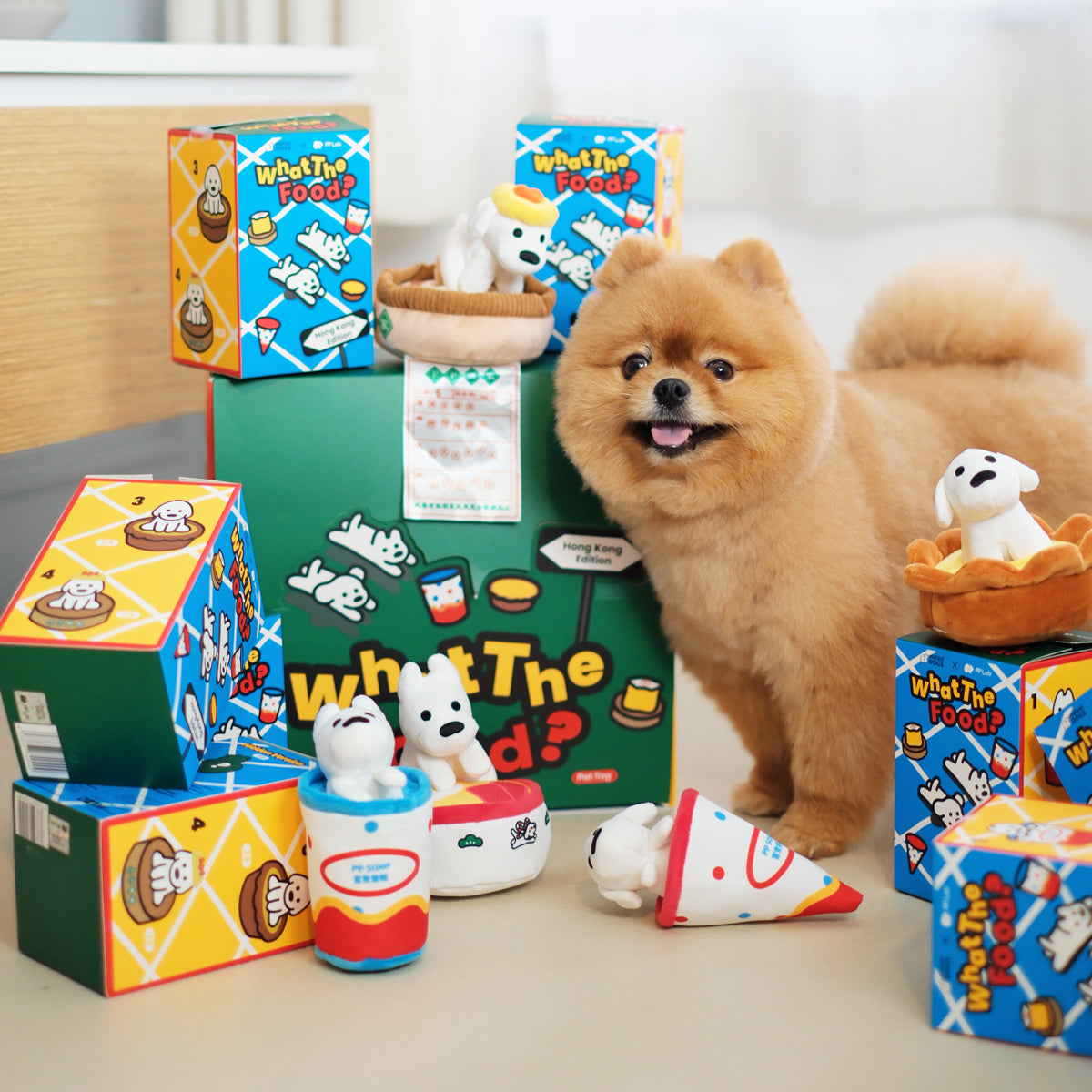
| Unwrap a food puzzle | Moving fabric to reach a reward | Nosework toy |
| Find a treat dispenser | Searching, then working food out | Fillable treat toy |
| Short training games | Learning and responding to cues | Small rewards |
| Indoor hide-and-seek | Finding you and practising recall | A familiar room |
| Gentle tug with pauses | Taking and releasing a toy on cue | Tug toy |
Activity 01
How do you set up a snuffle-mat treasure hunt?
Hide a few pieces of kibble among the folds of a snuffle mat, then let your dog search at their own pace. Start with food clearly visible so the first reward is easy to find.
- Put the mat on the floor where it will stay steady.
- Scatter a small portion of kibble over the surface.
- Once your dog understands, tuck a few pieces into shallow folds.
Make the game easier again if your dog starts pulling the mat apart. The aim is a manageable search. Put the mat away after use if your dog likes chewing fabric.


Activity 02
What can you put on a dog lick mat?
Use a small amount of soft food your dog already tolerates, such as their usual suitable wet food. Spread a thin layer over the mat so they can reach it easily.
Stay nearby while your dog explores it. Lift the mat away once the food is finished, especially if licking turns into chewing. Wash it after each use. For a first attempt, keep the food familiar and the layer thin instead of making the challenge harder with a thick or frozen filling.


Activity 03
How can a nosework toy become a food puzzle?
A loosely folded fabric toy lets your dog sniff out food and work out how to uncover it. You control the difficulty through how much of the reward is exposed.
- Place a few pieces of food inside the open wrapper.
- Fold it loosely, leaving an easy route to the food.
- Let your dog investigate before offering help.
If they struggle, unfold part of the wrapper. Increase the difficulty gradually on later attempts. Supervise closely and stop if your dog begins tearing or swallowing fabric.


Activity 04
How do you play “find it” with a treat dispenser?
Fill a treat-dispensing toy, place it in an easy hiding spot, and invite your dog to find it. Once they reach it, they have a second task: moving the toy to release the food.
- Add a small portion of kibble that can come out easily.
- Let your dog see where you place the toy, then say “find it”.
- Allow them to sniff, nudge and roll it on non-slip flooring.
- On another round, put it somewhere slightly less obvious but still accessible.
Keep the search within one room. Avoid hiding it under furniture where your dog could get stuck or strain to reach it. Help release a reward if the puzzle becomes frustrating.


Activity 05 · No toy needed
Which training games work in a small flat?
Practise a simple cue such as touching your hand with their nose or settling on a mat. A small, achievable task gives you something to work on together without needing a long stretch of floor.
For hand targeting, present your open hand near your dog. When they investigate and touch it with their nose, mark the moment with “yes” and give a small reward. Repeat a few times, then pause.
Keep your hand easy to reach. Add distance only when the first version is comfortable. End while your dog is still interested, and allow rest between sessions. Their willingness to participate matters more than completing a set number of repetitions.
Activity 06 · No toy needed
How do you play indoor hide-and-seek with your dog?
Start by stepping a short distance away and calling your dog from an easy-to-find position. Reward them when they reach you, then gradually make your location less obvious.
A second person can stay with your dog while you move behind an open doorway. If you are playing alone, keep the first attempts visible and simple. Choose accessible hiding places on the same floor, with a clear route between you.
Praise your dog when they arrive, even if finding you took a while. Keep the game relaxed and skip it if being briefly separated makes them distressed.
Activity 07
Can gentle tug include mental stimulation?
Yes. Adding “take it” and “drop it” cues turns tug into a shared training game with clear starts and pauses. Keep rounds brief and let your dog choose to rejoin.
- Offer the toy and use your “take it” cue.
- Play gently, keeping the toy low and your dog’s feet on the floor.
- Pause and practise “drop it”; reward a release with praise, food or another round.
Avoid jerking, lifting your dog or pulling forcefully. If they have not learned to release, practise an easy trade instead of prying the toy away. Stop before the game becomes frantic and check the rope for damage.


Questions about indoor enrichment during Singapore’s haze
Can I still walk my dog during haze?
Check NEA’s current air-quality information and ask your veterinarian about your dog’s individual needs. During smoky conditions, reduce outdoor exertion and keep essential toilet trips brief. Puppies, older dogs, short-nosed breeds and dogs with heart or lung conditions may need extra care, according to EPA’s pet guidance. Human PSI advice does not establish a dog-specific safe threshold.
Does mental stimulation replace exercise?
Indoor enrichment adds useful activity when outdoor time is reduced. Dogs still need movement, toileting opportunities and a routine suited to their health. Adjust outdoor activity as conditions improve and follow your veterinarian’s advice where needed.
Can I entertain my dog without buying toys?
Yes. Hand targeting and simple hide-and-seek need little equipment. Use small portions of your dog’s usual food as rewards, and start with tasks they can succeed at easily.
Should I choose a snuffle mat or a lick mat?
A snuffle mat suits searching for dry food among fabric folds. A lick mat holds a thin layer of suitable soft food. Choose based on what your dog enjoys and can use safely under supervision.
When should I stop an activity?
Pause if your dog loses interest, becomes frustrated or starts damaging the toy. Contact your veterinarian for coughing, unusual panting or other concerning symptoms during haze. Trouble breathing needs prompt veterinary attention. See EPA’s smoke-exposure guidance for pets.
Choose one activity to try today
Start with the game your dog is most likely to enjoy. Use the Camping Out Snuffle Mat for a food search, the Geo-Metz Roller for a moving puzzle, or the Huck-a-Cone for a few gentle rounds together. You can find these and other options in CreatureLand’s dog toy collection.
Let your dog set the pace, keep the challenge achievable, and leave plenty of time to rest.
Explore dog toys →
Written by Creatureland store

Leave a comment
This site is protected by hCaptcha and the hCaptcha Privacy Policy and Terms of Service apply.